
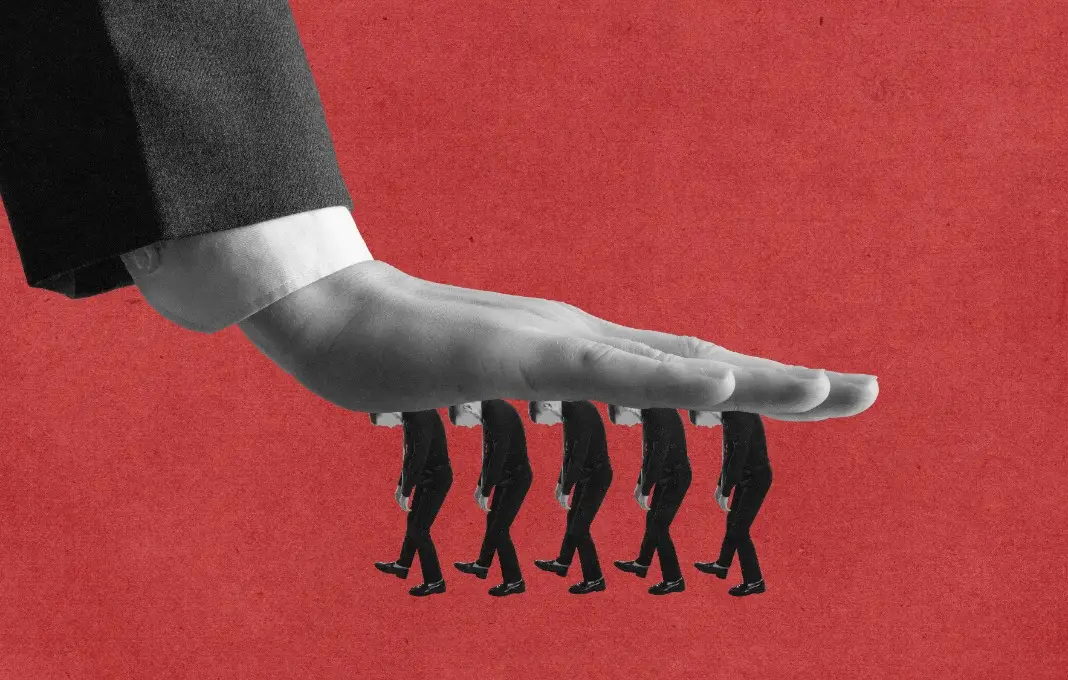
Corporate boards increasingly find themselves navigating political pressure that crosses from regulation into coercion. CEOs are summoned, threatened or publicly shamed over decisions that properly belong to management and shareholders. This can involve selective regulatory hurdles, coerced ownership and revenue surrender, threatened consumer boycott calls, compensation and staffing decrees, and such interventions. Too often, boards respond with appeasement—conceding ground in hopes of quieting the moment.
My new book, Trump’s Ten Commandments, helps explain why that instinct usually fails against a set of levers he employs on a consistent basis. Regardless of how anyone judges President Trump’s unconventional leadership playbook, it echoes and expands past blurring of private enterprise and government actions. The book does not endorse Trump’s moves but reveals how he gains power, keeps it and survives significant opposition. From that understanding we can distill five practical lessons for board members and companies navigating political pressure:
1. Do not concede what you do not own. Trump’s hub-and-spokes leadership model reveals a core truth: Authority that is diffused is authority that can be seized. Boards must be clear-eyed about what belongs to them—and what does not. Ownership decisions, asset transfers and strategic reversals are shareholder matters, not bargaining chips for appeasing political pressure.
Cases such as Intel and U.S. Steel illustrate the danger of surrendering control that boards generally lack the right to unilaterally give away. Once a board yields such ground, it teaches future aggressors that pressure works, leading down a slippery slope.
2. Avoid public confrontation that corners. Trump often begins negotiations aggressively, as his default opening posture, but reacts badly when publicly boxed in. Boards frequently make the opposite error—issuing public rebukes that leave regulators or politicians no exit.
Public confrontation in response to Trump’s instinctively aggressive tactics actually hurts your goals and escalates conflict. Strategic boards preserve private channels, allowing graceful retreat without public humiliation. The goal is not capitulation but de-escalation without surrender.
3. Unity Is non-negotiable. Nothing invites external domination faster than a visibly divided board. Trump employs a divide-and-conquer strategy that exploits fissures relentlessly. The collapse of Harley-Davidson’s board during the tenure of CEO Matt Levatich remains a cautionary example: Once internal disagreements surfaced, pressure intensified.
Boards must debate vigorously in private—but present unanimity in public. Unity denies leverage. Fragmentation invites attack.
4. Embrace collective action with peers. Trump’s wall of sound approach of releasing a flurry of headline-making statements and actions is designed to overwhelm isolated targets, picking them off one by one. The antidote is collective action. As we have seen play out time and time again, coordinated responses by law firms, universities and corporations in unison dramatically reduced individual exposure on any single firm.
Boards should encourage CEOs to work through industry coalitions and peer networks. Collective action reframes disputes as systemic rather than personal and dilutes retaliation risk. Repetition matters: When many institutions articulate the same principles consistently, resistance becomes legitimacy.
5. Meet grandiosity with merit. Trump understands symbolism, image and heroic aura. Boards often overestimate the need for ritualistic tribute—symbolic concessions that erode institutional dignity.
IBM’s history offers a counterpoint. From its founding, IBM emphasized merit, competence and institutional continuity. Even the most vain or grandiose leaders can respond to disciplined, substantive arguments. Boards need not flatter power. They must elevate the case through genuine substantive engagement, not hollow flattery.
Final Thought for Directors
Trump’s Ten Commandments explains how power behaves when norms erode and pressure intensifies during unprecedented times of tremendous change. Boards that grasp these dynamics are better positioned to protect CEOs—not by provoking fights, nor by appeasing bullies, but by preserving authority, unity, legitimacy and strategic initiative. That is the enduring lesson of Trump’s Ten Commandments—and why it matters far beyond Trump himself.