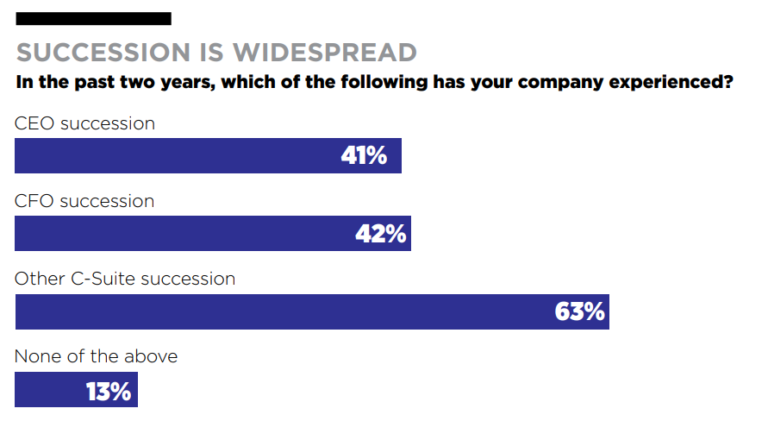


Periods of disruption have become a defining feature of the modern corporate environment. Volatile markets, expanding regulatory scrutiny, shareholder activism, rapid technological change and geopolitical uncertainty have increased the frequency and the intensity of corporate shocks. Whether the trigger is earnings miss, a cyber incident, a strategic pivot or an activist campaign, disruptive events now unfold quickly.
In these moments, stakeholders—including investors, regulators, employees, customers and the media—expect timely, clear and consistent communication. Silence or inconsistency can quickly undermine confidence and damage credibility. As a result, boards are placing greater emphasis on oversight of stakeholder engagement and messaging, recognizing that communication during disruption is not simply a management function but a governance responsibility.
Investor Relations as a Strategic Function
A major governance shift has been the transformation of Investor Relations (IR) from a reporting and logistics function into a strategic intelligence and engagement hub.
Traditionally, IR focused on earnings releases, annual meetings and regulatory filings. Today, the function plays a far broader role. Leading companies rely on IR to provide real-time intelligence about investor expectations, valuation drivers and competitive positioning. Translating management decisions to the market, IR increasingly informs strategy, capital allocation and the timing of major initiatives.
IR now serves as a critical conduit linking market insight, ESG expectations, and peer benchmarks directly to the C-Suite and the boardroom. In a volatile environment, this “outside-in” perspective can help directors understand how strategic decisions are likely to be received before they are announced.
Why Boards Should Care About IR Strategy
Investor confidence and access to capital are core enterprise risks as well as strategic enablers. Companies that lose credibility with investors often face higher capital costs, reduced strategic flexibility and increased vulnerability to activism.
At the same time, investors and regulators increasingly expect boards to oversee how companies engage with shareholders and broader stakeholder groups. Engagement practices are seen as part of the governance framework, not merely an operational activity.
As a result, a clear IR strategy is becoming a governance artifact in its own right—similar to risk management, cybersecurity or ESG frameworks. Boards should expect to review IR strategy periodically and ensure that it aligns with the company’s long-term objectives and risk profile.
Elements of a Board-Ready IR Strategy
An effective IR strategy should address several core areas.
First, boards should understand the company’s target shareholder profile and how management intends to evolve the share register over time. The mix of long-only investors, hedge funds, activists, ESG-focused investors and passive holders can materially influence both market stability and governance dynamics.
Second, the strategy should define tailored engagement approaches for different investor constituencies, including proxy advisors and ESG-oriented investors whose influence has grown significantly.
Third, companies need a clear equity story and messaging architecture that integrates strategy, capital allocation, risk management and ESG priorities into a coherent narrative. Inconsistent or fragmented messaging is particularly damaging during periods of stress.
Fourth, boards should ensure that the company is using modern analytics and ownership intelligence tools—including AI-driven monitoring—to track shareholder movements, market sentiment and emerging risk signals.
Finally, the strategy should define clear roles for IR, senior management and directors in investor engagement and feedback loops.
Board Oversight of Messaging in Disruptive Events
Disruption places a premium on preparation. Boards should insist on preplanned communication playbooks for foreseeable scenarios such as earnings shocks, guidance changes, cyber incidents, layoffs, regulatory investigations, credit downgrades and activist campaigns.
These playbooks should align messaging across investors, regulators, employees and the broader public. Inconsistent communication across audiences can create credibility gaps that are difficult to repair.
IR as the Board’s “Outside-In” Radar
A well-functioning IR capability provides boards with a continuous external perspective on the company.
Directors should expect regular, strategic updates that go beyond quarterly earnings. Useful IR reporting includes ownership trends, investor sentiment, trading dynamics and potential activism risks.
Structured investor feedback—including perception studies, roadshow reports and post-earnings discussions—should feed into board-level discussions of strategy and risk. These insights can help boards anticipate stakeholder reactions before major decisions are announced.
Cross-Stakeholder Engagement
Effective stakeholder communication requires consistency across audiences. Investor messaging should be developed alongside communication to employees, regulators and the public so that each constituency hears the same core story.
IR can play an important role in testing whether internal and external narratives are aligned and credible, particularly under stress conditions.
Questions Boards Should Be Asking
Boards seeking to strengthen oversight should consider several practical questions:
- Do we have a clearly articulated IR strategy, and when did the board last review it?
- Is our IR function adequately resourced and equipped for our industry and risk profile?
- What are our investors’ primary concerns today, and how are they influencing strategic priorities?
- How resilient would our messaging be if we faced a downside event or activist campaign in the next 12 to 18 months?
A Strategic Governance Asset
In an era where trust and access to capital are strategic assets, Investor Relations has become core corporate infrastructure rather than a support function.
Boards that treat IR as a strategic partner—and oversee its strategy with the same rigor applied to risk and ESG—are better positioned to navigate disruption and maintain stakeholder confidence when it matters most.