
When a board inherits decades of accumulated systems, processes and organizational debt alongside ambitious growth plans, the tension becomes acute: How do you modernize fast enough to compete globally while maintaining operational integrity across a franchise network?
That’s the challenge facing the board of Romacorp, parent company of Tony Roma’s, which is simultaneously unwinding legacy complexity and expanding into markets like China and the Middle East. The board’s approach reveals how governance can move beyond oversight into active strategic prioritization, especially when resources are finite and every decision ripples across franchisees.
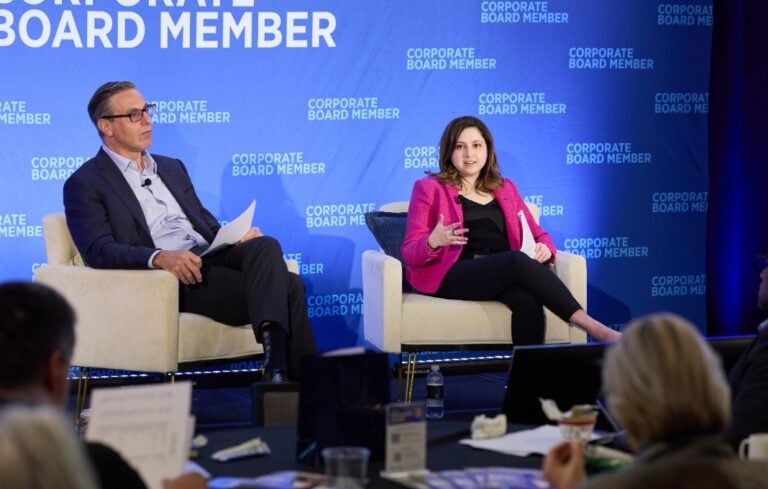
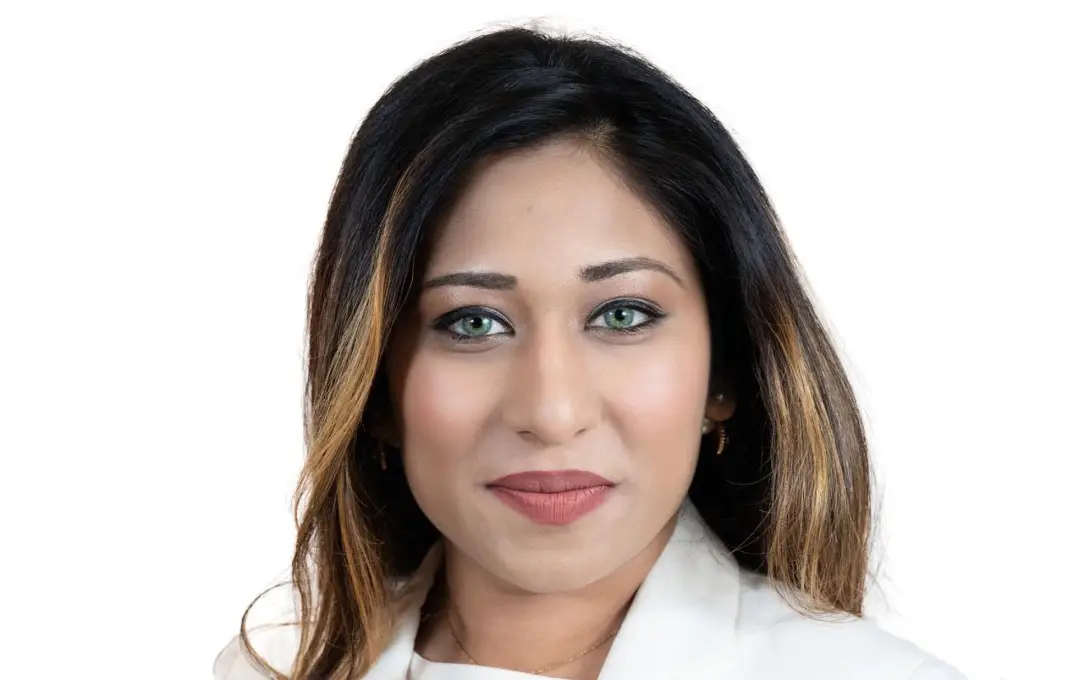
In the following interview, Mohaimina “Mina” Haque, Tony Roma’s CEO and Romacorp board member, shares how her board is tackling operational archaeology, enforcing fiscal discipline during transition and building systems designed to scale across continents.
What are some of the most pressing topics Romacorp’s board is tackling these days?
When I joined Tony Roma’s, I inherited more than 50 years of legacy systems and practices— what I call operational archaeology. Many made sense in their time but had grown inefficient. As a member of Romacorp’s board, we are methodically untangling those complexities to build a foundation for the next era.
We’ve also instilled fiscal discipline in transition. Post-acquisition, every dollar must advance our strategic priorities, especially as we fund expansion into markets like China and the Middle East. The constant question is: Does this investment drive sustainable growth?
Operationally, we’re streamlining structure: consolidating functions, renegotiating vendors and optimizing the supply chain. In a franchise model, inefficiency multiplies quickly, so the goal is a lean, responsive system our franchisees can replicate.
Finally, we’re building for scale. The work we’re doing now prevents future bottlenecks. We’re creating systems designed to function seamlessly whether we operate 50 restaurants or 500.
How is the board helping to mitigate the company’s toughest challenges?
The board has been instrumental in helping the company to prioritize strategically. With finite resources, we can’t fix everything at once. We’ve encouraged focus on high-impact initiatives, ensuring our newest franchises reach operational excellence before signing the next ten deals.
The board also has established accountability structures with clear metrics and regular checkpoints, from franchise agreement standardization to vendor renegotiations, to keep momentum strong.
Equally important, the board has opened doors for growth by introducing management to franchisees, investors and partners in new markets. And when tough calls arise, such as restructuring or cutting legacy programs, the board provides the air cover that allows the company to make those decisions confidently and decisively.
What’s new about how you’re recruiting board members?
We’re prioritizing operational expertise over purely advisory experience. We want board members who’ve built and scaled complex businesses, navigated international regulations, and understand the realities of execution.
We’re also tapping global networks. Through my engagements at Davos, Cannes and the UN General Assembly, we’re connecting with leaders who bring deep global and cross-sector perspective, precisely what’s needed as we expand across five continents.
How does your board keep up with opportunities and risks in emerging technologies?
We’ve built academic partnerships to access objective research on emerging technologies, separating what’s truly viable from what’s hype.
Every investment is assessed through a cost-benefit lens. We ask whether it solves a real problem, scales across our franchise network, and delivers measurable ROI.
The board also closely monitors technologies that directly impact restaurant operations, from AI-driven inventory management and kitchen automation to digital ordering and supply chain tools, with an emphasis on improving consistency and customer experience without adding complexity.
What are the board’s strategies to ensure the company remains resilient?
First, financial discipline. We’re building healthy reserves and flexibility to withstand disruption while maintaining the capacity to seize opportunities.
Second, geographic diversification. Expanding across multiple regions from North America to the Middle East balances our exposure and cushions against regional downturns.
Third, embracing modernization. We’re integrating AI, robotics and automation thoughtfully to enhance efficiency and customer experience before those shifts disrupt us.
Finally, brand flexibility. Our franchise model allows local adaptation within global standards. What works in Tennessee may need tailoring in Indonesia or the UAE and that adaptability keeps our brand strong everywhere we operate.