

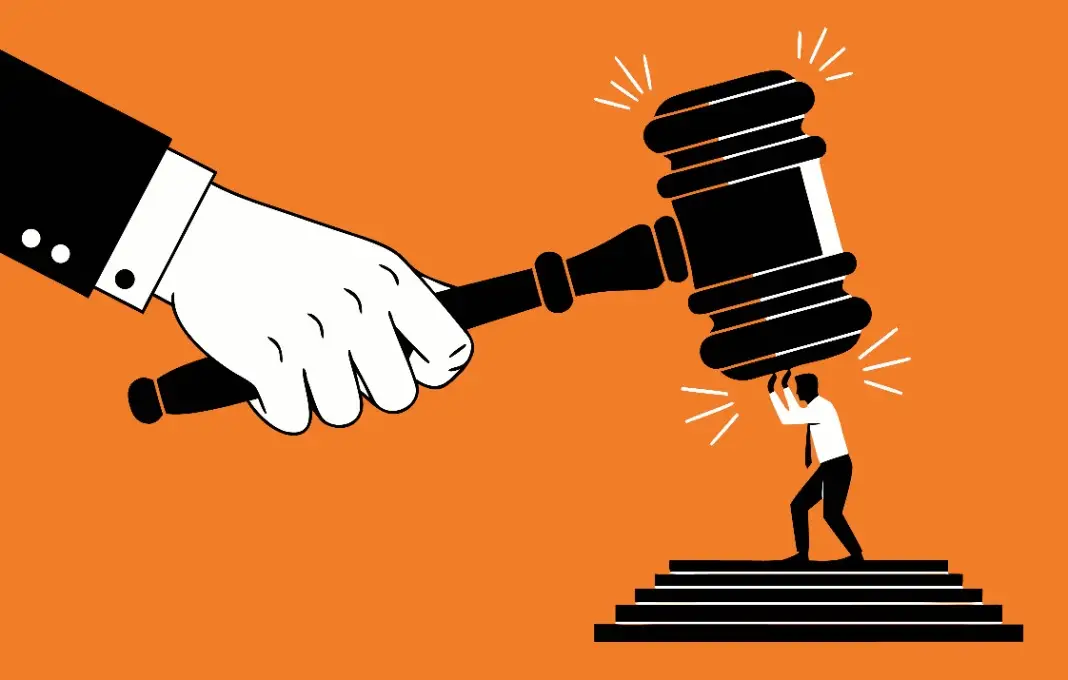
When corporate boards don’t correct governance issues quickly and decisively, they open themselves up to shareholder actions that could prove costly. A recent example of this can be found at Uber, where its board of directors and CEO are facing a shareholder lawsuit that claims that for years the rideshare company misled investors by declaring its commitment to passenger safety but then failed to implement safety measures to protect passengers from potential sexual assaults.
According to a news report from Aboutlawsuits.com, the Police and Fire Retirement System of the City of Detroit filed the lawsuit in June after research revealed that Uber had internally tracked more than 400,000 reports of sexual assault or misconduct between 2017 and 2022, but only publicly disclosed 12,522 of the incidents it classified as “serious” sexual assaults. The lawsuit alleges that Uber executives “prioritized rapid growth and cost cutting over regulatory compliance and passenger protection” and as a result, safety measures such as in-car cameras and vigorous screening procedures that could have prevented some of the incidents were never put in place.
The company is currently fighting thousands of lawsuits from passengers who claim to have been harassed, assaulted or raped by Uber drivers. Those pending lawsuits, and additional actions alleging deceptive practices and noncompliance filed by government regulators, have made Uber potentially liable for judgements that could reach billions of dollars. However, this current shareholder action isn’t seeking compensation for specific assault victims like the previous lawsuits have done.
Instead, the Uber shareholders’ lawsuit is focused on holding Uber board members accountable for a breach of fiduciary responsibility that has exposed the company to billions in legal liability. The lawsuit highlights alleged years of inadequate oversight and inaction by the Uber board that have put the company at risk.
The lawsuit states: “All 10 members of the Board have received reports concerning Uber’s (1) consumer protection violations in general, and pervasive safety practices in particular; and (2) false and misleading statements in violation of Federal and state securities laws. However, the Director Defendants ignored these red flags and did not conduct any more extensive oversight, or otherwise remedy or try to prevent this wrongdoing.”
Corporate board members should expect to see more instances where shareholder groups are seeking to hold directors accountable when companies fail to make reasonable adjustments that could prevent lawsuit liability or significant financial losses. In this case, the Police and Fire Retirement System of the City of Detroit lawsuit seeks to have Uber’s top executives and directors required to reimburse the company for losses that may have been caused by their negligence or misconduct. The lawsuit also asks that Uber be forced to make reforms that “strengthen its compliance systems, improve oversight of passenger safety and implement additional internal controls designed to prevent future violations.”
This departure from lawsuits that simply ask for compensation for victims could be part of a trend. If shareholders begin focusing on filing lawsuits that attempt to hold directors personally responsible for lapses in governance, corporate board members may need to reassess the risks, responsibilities and benefits associated with holding a position as a corporate director. With the speed at which economic environments and market conditions change these days, corporate directors are under enormous pressure to make sound decisions quickly. While Directors and Officers insurance generally offers some protection against these types of lawsuits, once a case goes to trial, there are no guarantees that a director won’t be found to be personally liable for damages to shareholders.
Corporate board members might want to consider the following to offset some of the risks associated with shareholder lawsuits that seek to hold directors personally liable for losses:
Review current D&O insurance coverage and upgrade or add additional protection. Since standard D&O insurance policies contain many exclusions and restrictions, companies may want to examine this lawsuit and approach insurers to determine if the current policy would cover such claims. If not, they can inquire about policy upgrades (such as Side A Difference-In-Conditions policies) that could give directors more protection. Directors might also consider purchasing their own insurance policies as an added safety net. Personal Directors Liability Insurance polices can cover personal liabilities across multiple corporate boards.
Conduct a thorough audit of corporate governance systems to identify areas for improvement. Part of the board’s fiduciary duty is to make sure that the company’s governance is satisfactory. Conducting a governance audit and then analyzing and making corrections based on those findings will help protect the board against claims of negligence. An annual accounting of how the company is staying in compliance in all areas demonstrates a willingness to monitor and fix governance issues—something that shareholders and regulators should appreciate.
Make sure company honors any claims made in proxy statements and annual reports. To combat lawsuits claiming that the company may have deceived investors, board members must make sure that any commitments made in proxy statements and annual reports are honored. This requires board members to challenge management if stated corporate goals are delayed or provide investors with updated credible reasons why commitments and/or projections are being changed.
