
In 2024, Air Canada argued before a Canadian tribunal that its chatbot, which had invented a refund policy for bereavement fares, was responsible for its own actions. The tribunal rejected that argument and held the airline liable. Under pressure, a major company reached for the machine as its excuse.
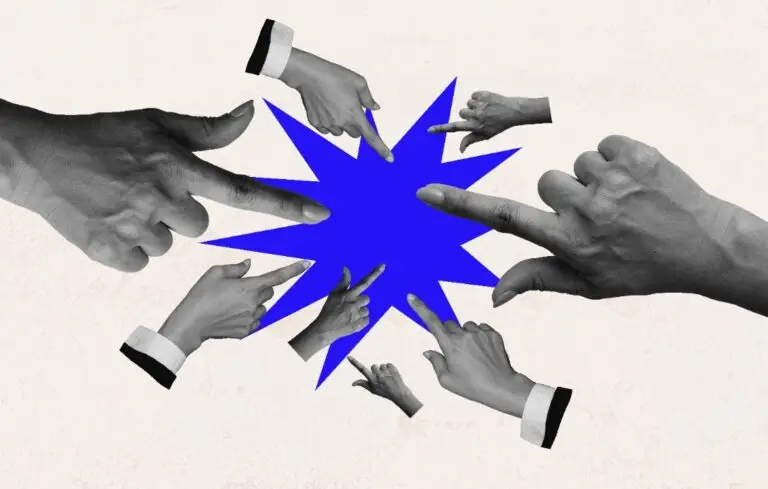
I call this the “algorithm alibi”: the growing habit of treating AI as the explanation for what went wrong, and as the reason not to raise what is actually going wrong. It operates at three levels:
- Blame. Employees blame the system for their own mistakes.
- Silence. They stay quiet about the system’s mistakes.
- Closure. When a problem surfaces, it can reach the board labeled “model error,” closing the question before directors ask who knew.
In an April 2026 Forbes column, I described quiet drift, the gradual normalization of AI outputs that go unquestioned because the headline numbers still look fine. The algorithm alibi is the human engine behind it. Drift stays quiet because people do.
The Evidence Is In
In a 2026 GoTo and Workplace Intelligence survey of 2,500 workers and IT leaders in 10 countries, 17 percent of respondents admitted blaming AI for a mistake they made themselves, and 25 percent said blaming AI feels safer than admitting an error. Thirty-one percent described unspoken pressure to trust AI and keep quiet about its mistakes. Fourteen percent said they had reported an AI error to a manager or leader and been told to stay quiet.
A Boston Consulting Group experiment published in 2026 caught the alibi in action. More than 1,200 HR and finance professionals reviewed the same flawed document. Those told it came from an AI “employee” caught fewer errors, felt less accountable and blamed the AI rather than themselves.
Experiments published in Nature in 2025 help explain why: About 95 percent of participants reported honestly when acting on their own. When they could give AI a broad goal instead, honesty fell to 12 to 16 percent. Handing work to a machine creates moral distance, and moral distance lowers the cost of looking away.
The Witnesses Who Stay Silent
Board oversight runs on information people choose to pass upward. Tips uncovered 43 percent of the fraud cases in the Association of Certified Fraud Examiners’ 2026 global study, and 55 percent of those tips came from employees. Organizations with a formal reporting channel caught fraud six months sooner and lost a third less at the median. The algorithm alibi cuts off that flow at its source.
I saw this pattern in compliance long before AI. Several people know about a problem; it surfaces when one of them finally speaks up.
Take customs fraud. Whistleblower suits there have historically come from current or former employees, and as tariffs climbed in 2025, the Justice Department expanded its whistleblower program to cover tariff fraud. Now that classification and duty work is moving to AI. Salesforce, for one, has built an agent to track U.S. tariff changes. When a model assigns the code, the employee who spots a problem has a ready reason to stay quiet: the system decided.
The weak link is often the middle. The GoTo respondents told to stay quiet had taken their concern to a manager or leader, who often owns both the productivity targets and the AI rollout. Their caution is rational: In the Ethics & Compliance Initiative’s 2023 global survey, 46 percent of employees who reported misconduct said they experienced retaliation.
Case Closed Too Soon
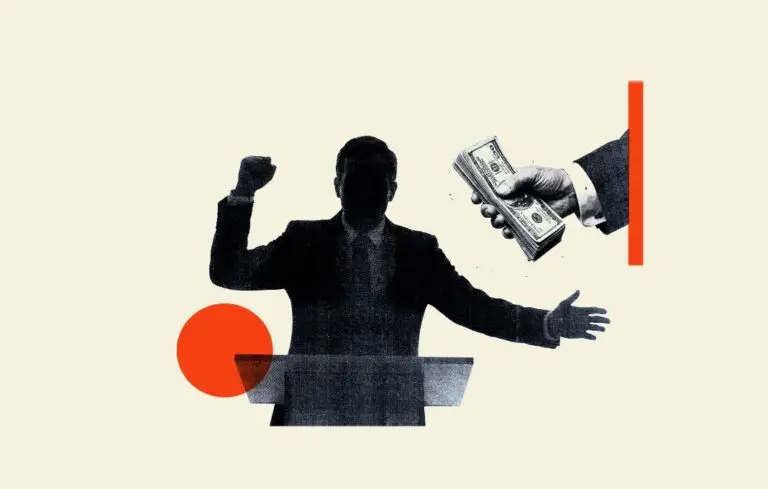
When an AI incident reaches the board, it often arrives already explained: a model error, a data issue, a vendor problem. These may be true. But an explanation tells directors what failed. An alibi keeps them from asking who saw the problem first, who they told and what happened next. A board that accepts “the system did it” has accepted the argument Air Canada lost.
Audit committees of listed companies already own part of this. Sarbanes-Oxley requires them to maintain procedures for complaints about accounting, internal controls and auditing, including confidential, anonymous submissions from employees. As AI moves into finance and controls, more of those concerns are likely to involve AI. The question is whether they reach the committee.
Justice Department compliance guidance asks how companies monitor accountability for AI and, separately, whether they tolerate practices that chill reporting. The algorithm alibi lives in the gap between those two questions.
Aviation shows the alternative. NASA’s Aviation Safety Reporting System lets pilots and crews confidentially report errors and near-misses, with limited protection from FAA penalties. It logged more than 120,000 reports in 2025, feeding alerts and system-wide fixes. Errors become information, not confessions. AI needs the same.
Five Questions to Cross-Examine the Alibi
- Where does an AI concern go? Ask whether the hotline and case-management system have a category for AI problems. Concerns logged as IT tickets may not reach compliance, let alone the board.
- What does the audit committee see? Ask that AI-related concerns, outcomes and retaliation allegations appear in the complaint reporting the committee already oversees.
- Who has reported an AI problem, and what happened to them? If management struggles to produce examples, treat that as a finding.
- What are we rewarding? Check whether performance goals reward AI-driven speed without rewarding the people who catch AI mistakes.
- How big is our gap? Measure whether employees feel safe raising AI concerns, and compare that with what leaders assume. The difference is the size of the blind spot.
The Board’s Verdict
Governance failures are behavioral before they are procedural, and AI has handed organizations an unusually convenient suspect. A model does not get embarrassed, demoted or deposed, and it does not push back when blamed.
Many AI failures that reach a board first passed through people who saw them coming. The question for directors is whether those people feel free to say so, and whether the organization listens. Air Canada learned that the algorithm makes a poor alibi in front of a tribunal. Boards should stop accepting it in the boardroom.