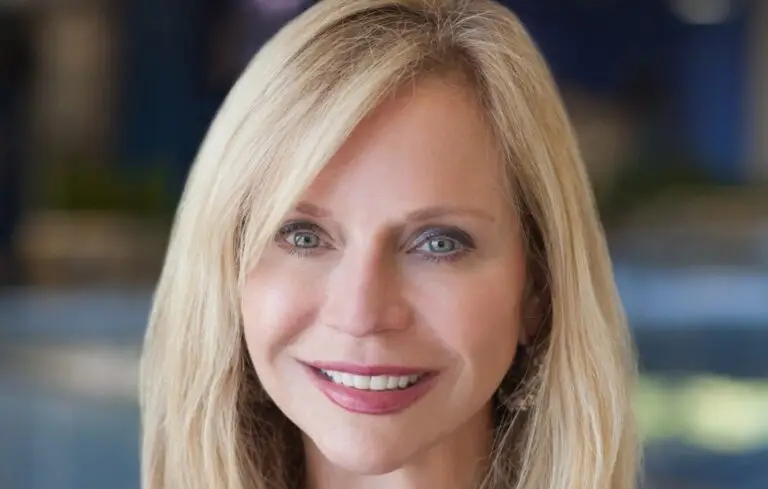
Built Between Meetings
Dayforce CPO and veteran public company director Amy Cappellanti-Wolf explains why the strongest CEO-board relationships depend on context, candor and productive tension, and why trust can’t be manufactured in a crisis.

Dayforce CPO and veteran public company director Amy Cappellanti-Wolf explains why the strongest CEO-board relationships depend on context, candor and productive tension, and why trust can’t be manufactured in a crisis.
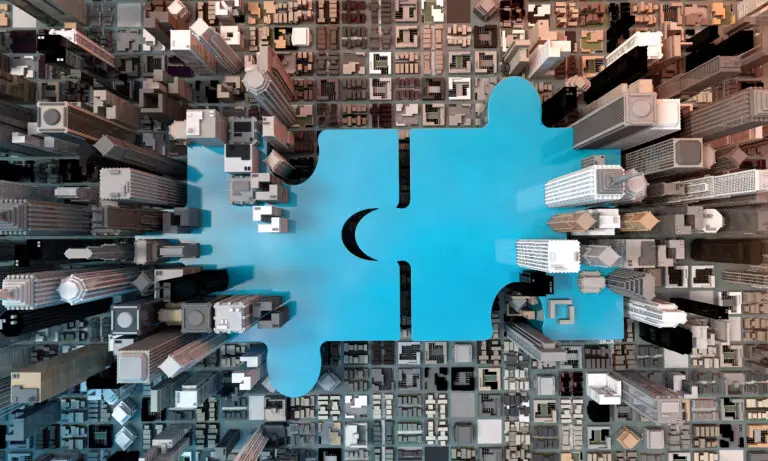
In this tumultuous and volatile deal market, directors face more risk—and more responsibility—than ever. Experts and directors share board must-dos for this moment from the first thesis to the final look-back.
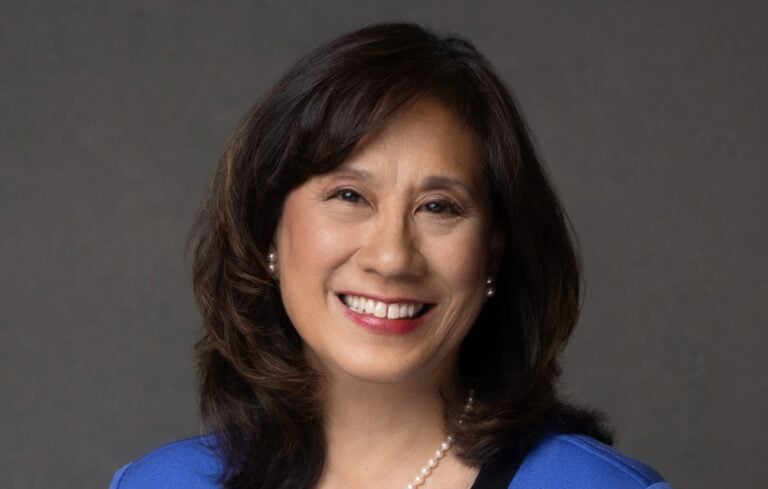
Used well, AI can turn bloated board books into real intelligence, surface hidden risks and bias, and help directors challenge management’s plans; used poorly—or not at all—it can leave boards exposed, behind competitors and vulnerable to new forms of legal and ethical scrutiny.
Independent director Jeanne Beliveau-Dunn says the boards that will win with AI are not the ones chasing shiny tools, but those using them to deepen oversight, sharpen risk governance and push management toward data-informed, future-focused decisions.
Treating AI as a smarter board book will miss the point, says technologist Florin Rotar: The real shift is using it to change how directors prepare, question and decide.

More than a third of large organizations are undergoing business transformations at any given time, but only about 12 percent achieve their original ambition. Here’s what goes wrong, and how boards can help.